Empowering LGBTQ+ Communities: Navigating Cancer Care and Wellness Through Advocacy and Support
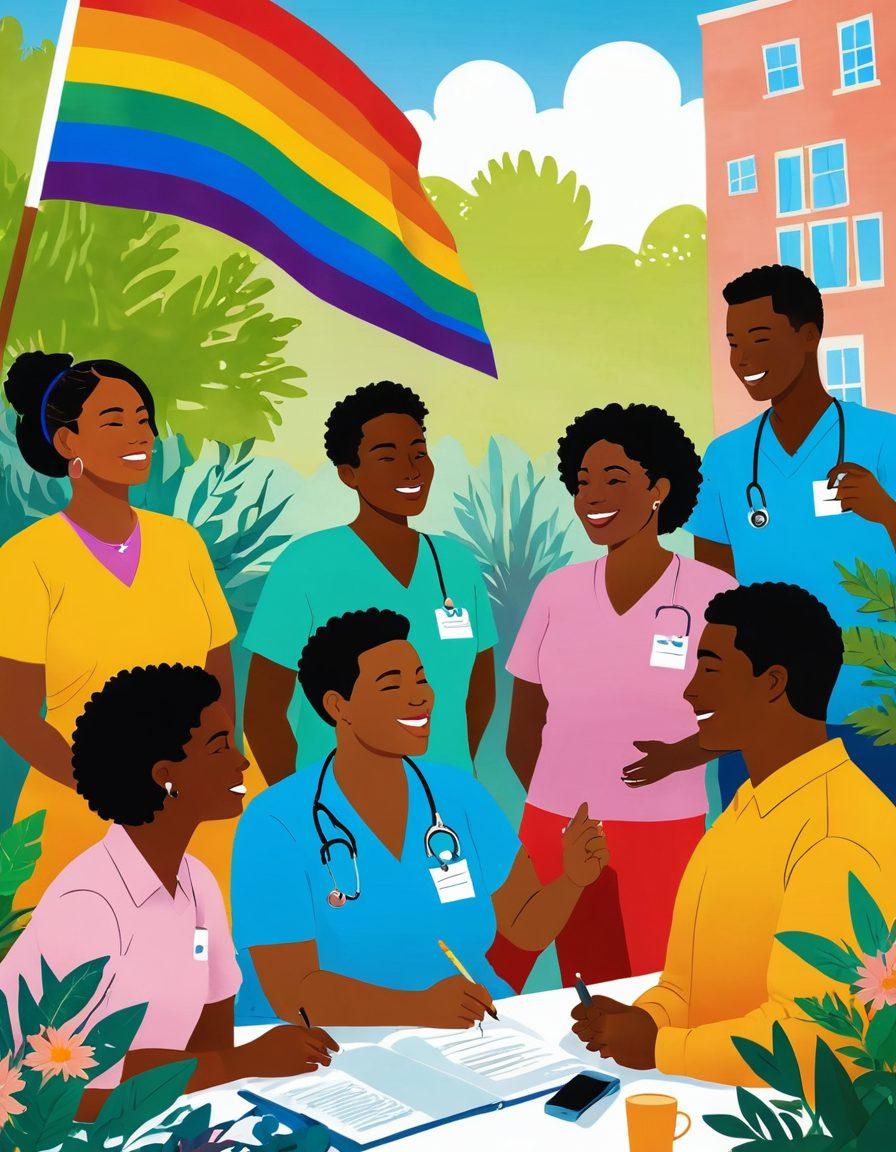
Navigating the intersection of cancer care and LGBTQ+ advocacy is a journey that holds significant weight. For many in the LGBTQ+ community, the experience of a cancer diagnosis can feel overwhelming and isolating, especially given the unique challenges faced within the healthcare system. As that journey unfolds, the importance of advocacy, community support, and accessible cancer education cannot be overstated. After all, cancer is not just a disease; it’s a life-altering event that can shape personal narratives, much like individual stories within the LGBTQ+ community. Can we not empower ourselves through shared experiences and knowledge?
Imagine standing at the crossroads of your identity and your health, grappling with the complexities of navigating oncology services designed with a more traditional patient in mind. Whether you identify as lesbian, gay, bisexual, transgender, or queer, your journey through cancer care can be further complicated by the lack of representation and understanding within the medical community. Hidden in the shadows are crucial conversations about queer health, the impact of lifestyle choices, and the importance of mental health during treatment. One inspiring quote comes to mind: 'In a world where you can be anything, be kind.' Kindness—from both healthcare providers and within the community—forms the bedrock of effective cancer support.
So, how do we begin to advocate for ourselves and others in this landscape? Firstly, by embracing cancer education tailored to the LGBTQ+ experience. Access to information not only equips individuals with knowledge about tumors and treatment options, but it also fosters a deeper understanding of disease prevention strategies and holistic health approaches. Engaging with health blogs that focus on LGBTQ+ issues can be incredibly insightful, providing valuable resources that enhance health awareness and shed light on the latest health research. Do you have a favorite health blog that has made a difference in your life?
Another crucial aspect of this narrative is the support groups that cater specifically to marginalized communities. Cancer support groups provide a safe haven where people can share their struggles and triumphs without fear of judgment—an indispensable resource in promoting survivorship. For many LGBTQ+ individuals, these groups also present an opportunity for community support, enabling friendships that blossom amid shared experiences. As we gather these voices, we create a chorus of resilience, highlighting that no one should journey through cancer care alone. Are you ready to find your community?
Ultimately, navigating the intersection of cancer care and LGBTQ+ advocacy requires continuous dialogue, mutual understanding, and a commitment to reshaping public health practices. It's about championing crusades that prioritize the physical and mental well-being of queer patients, ensuring they receive comprehensive and respectful cancer care. Our collective strength lies in advocacy—advocacy that highlights the importance of social, emotional, and physical support, giving voice to those often unheard. Let’s start conversations and share stories that empower our community, transforming fear into action and hope into reality. After all, together, we can build a healthier future for all.
Building Resilience: The Role of Community Support in Cancer Wellness
In the journey through cancer care, the importance of community support cannot be overstated. Imagine facing a daunting diagnosis and feeling isolated, battling not just a physical ailment but also the weight of emotional turmoil. This is a reality that many in the LGBTQ+ community encounter. Support transcends mere companionship; it catalyzes recovery and enhances resiliency. This blog dives into how community advocacy and support reshape the landscape of cancer wellness for individuals navigating oncology, offering a lifeline in moments of vulnerability.
The heart of community support lies in shared experiences. Whether it’s a cancer support group where members exchange stories or health blogs where people discuss lifestyle choices that promote wellness, these platforms create a sense of belonging. These spaces empower individuals to become advocates for their own health, translating experiences into cancer education. Have you ever found solace in someone else's story? It’s this powerful connection that reinforces the foundation of community resilience.
“Strength lies in differences, not in similarities,” said Stephen R. Covey. This quote resonates profoundly within the realm of cancer care, particularly when taking queer health into consideration. Members of the LGBTQ+ community may face unique challenges, particularly when navigating disease prevention and treatment options. Community support groups offer safe havens, filling gaps that traditional cancer care might overlook. How do you think being part of a supportive network can impact mental health during treatment?
Holistic health approaches are becoming increasingly popular, and rightly so. By emphasizing wellness in addition to treating the tumor, we adopt a comprehensive attitude towards survivorship. Community support encourages both emotional and physical well-being, leading to healthier lifestyle choices that can fortify the body's defenses against cancer recurrence. What does wellness mean to you? It could be as simple as practicing mindfulness or participating in local advocacy initiatives that simultaneously uplift your spirits and contribute to public health.
Ultimately, empowerment in the face of cancer lies in recognizing that we do not fight alone. The synergy of LGBTQ+ support and advocacy nudges individuals towards proactive health measures and enhances awareness of the distinct needs within our community. By sharing knowledge gained from health research and personal experiences, we foster an environment of hope and resilience. Ready to take a step towards community engagement? Join a cancer support group or network with local organizations—you’ll find that together, we can conquer cancer and celebrate survivorship!
Empowering Queer Health: Strategies for Advocacy and Disease Prevention
When we think about health, we often focus on physical ailments, routine checkups, and the latest cancers in the field of oncology. Yet, for many in the LGBTQ+ community, health encompasses a much broader spectrum that includes mental wellness, community support, and tailored advocacy strategies. How can we ensure that queer health is not only recognized but actively supported in the broader narrative of health education and awareness? This is not just a question, but a call to action—one that seeks to empower individuals and communities alike to take charge of their health trajectories.
Consider the journey of Jamie, a vibrant young man who was diagnosed with a tumor at the age of 28. Faced with the complexities of cancer care, especially within the context of his queer identity, Jamie realized that his health care experience did not reflect the unique challenges of LGBTQ+ individuals. This illustrates a crucial point: advocacy is a necessity in the realm of gay health and cancer care. How can we replicate Jamie’s passion for wellness within our communities? When awareness meets action, we foster strength in numbers, supporting each other through cancer support groups and initiatives aimed at disease prevention. This network not only assists in acquiring valuable cancer education but contributes to overall survivorship, which is the ultimate goal.
Why does lifestyle choices matter in this context? They mold the way we approach our health and wellbeing. Regular exercise, mindful nutrition, and even meditation play roles in both physical and mental health. Meaningful engagement in holistic health practices can help mitigate some cancer risks and foster resilience among LGBTQ+ individuals. Picture engaging with your community through health blogs that inspire personal stories, share successful advocacy strategies, and highlight vital health research. Imagine what it would mean to hear about real people making real lifestyle changes, thus transforming not just their lives, but also setting a precedent for community wellness.
The relationship between mental health and cancer care cannot be overstated, particularly within the LGBTQ+ community where disparities often exist. How often do we talk about the intersection of mental well-being and survivorship? The truth is, mental health challenges can exacerbate the physical toll of a cancer diagnosis. This makes mental health advocacy as crucial as tackling issues directly linked to oncology. Can you envision creating support networks that address both mental and physical health? By integrating these elements within our approach to queer health advocacy, we create richer, more comprehensive cancer care pathways.
As we embark on this journey towards empowering queer health, let's ask ourselves, 'What can we do today?' The truth is, change is possible when we engage collaboratively and commit to advocating for the rights and needs of everyone within the LGBTQ+ spectrum. Be it through becoming active participants in cancer support groups, amplifying our voices within public health discussions, or by collectively spreading awareness about lesbian health, each step matters. Together, we can develop an enduring spirit of empowerment and ensure that cancer care becomes a beacon of hope for the LGBTQ+ community, lighting the path to a healthier future.